
When the weather cools down and cozy meals are all I crave, winter squash instantly finds its way into my kitchen. I love how each variety brings something unique to the table—whether it’s the sweet, nutty flavor of butternut squash or the soft, buttery texture of acorn squash.
While most people stick to the usual butternut or spaghetti squash, there’s a whole world of winter squash that deserves some love. One of my favorites? Acorn squash. It’s got a rich, almost earthy flavor that’s perfect for making a warm, creamy Acorn Squash Soup. It’s the kind of comforting meal that makes chilly evenings a little cozier.
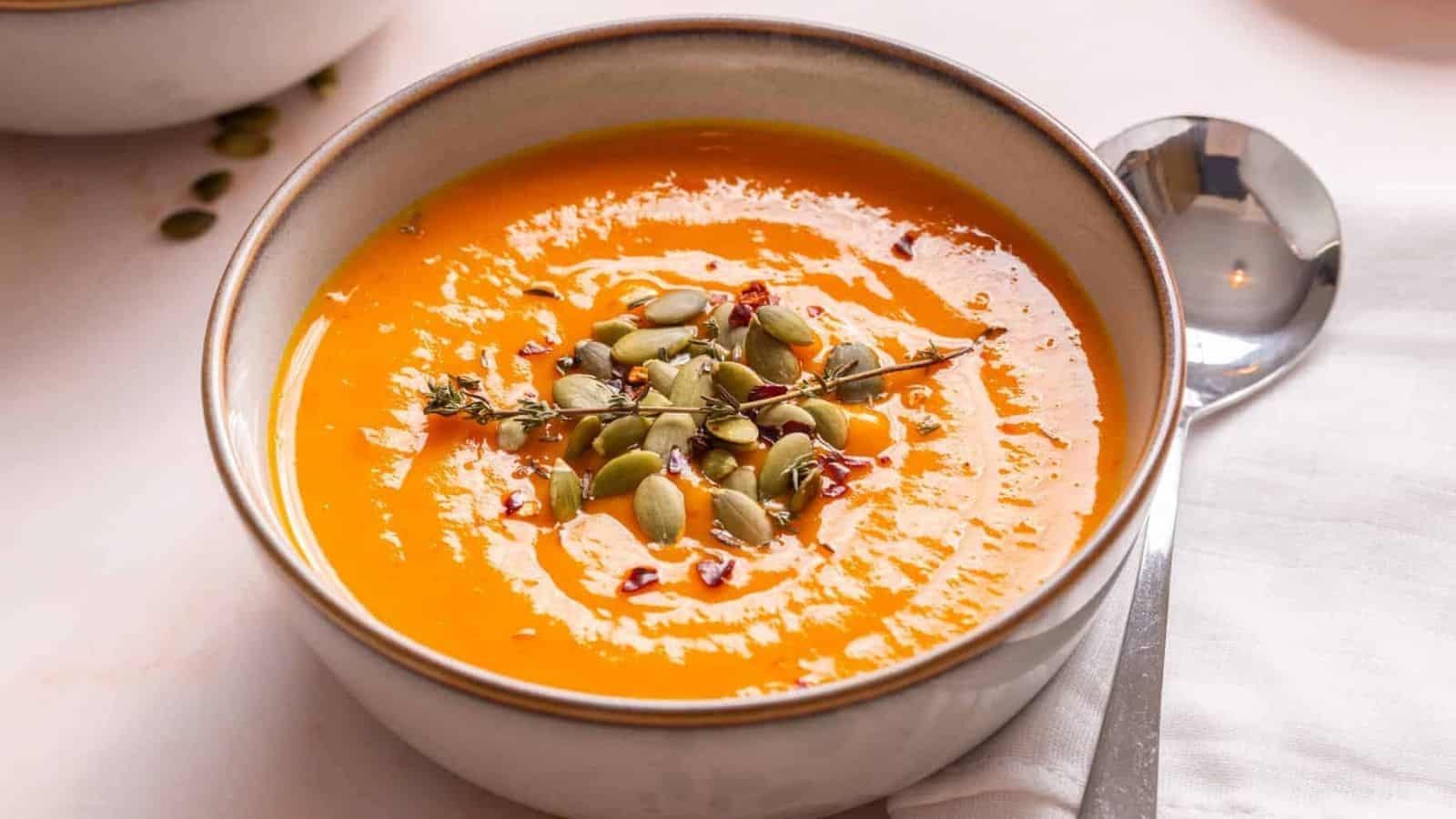
Start with this creamy, savory, Acorn Squash Soup bursting with flavors!
The difference between winter and summer squash
Summer and winter squash both belong to the cucurbita plant family. The primary distinction between the two is in their harvest times. Farmers harvest summer squash, like zucchini and patty pan squash, in the summer because it tastes best young, with thin skin and tender flesh.
On the other hand, winter squash is harvested in the late summer or early fall once fully mature. Their skin thickens and hardens, protecting the sweet interior and giving them a longer storage period. With its rich, earthy and nutty flavor, winter squash fits perfectly into hearty meals for the cold season.
So, while both summer and winter squash come from the same botanical family, their harvesting times, textures, flavors and uses set them apart.
The popularity of winter squash varieties varies based on regional preferences and what grows well locally. But here are some of the most common to find at grocery stores and local farmers’ markets.
Butternut squash
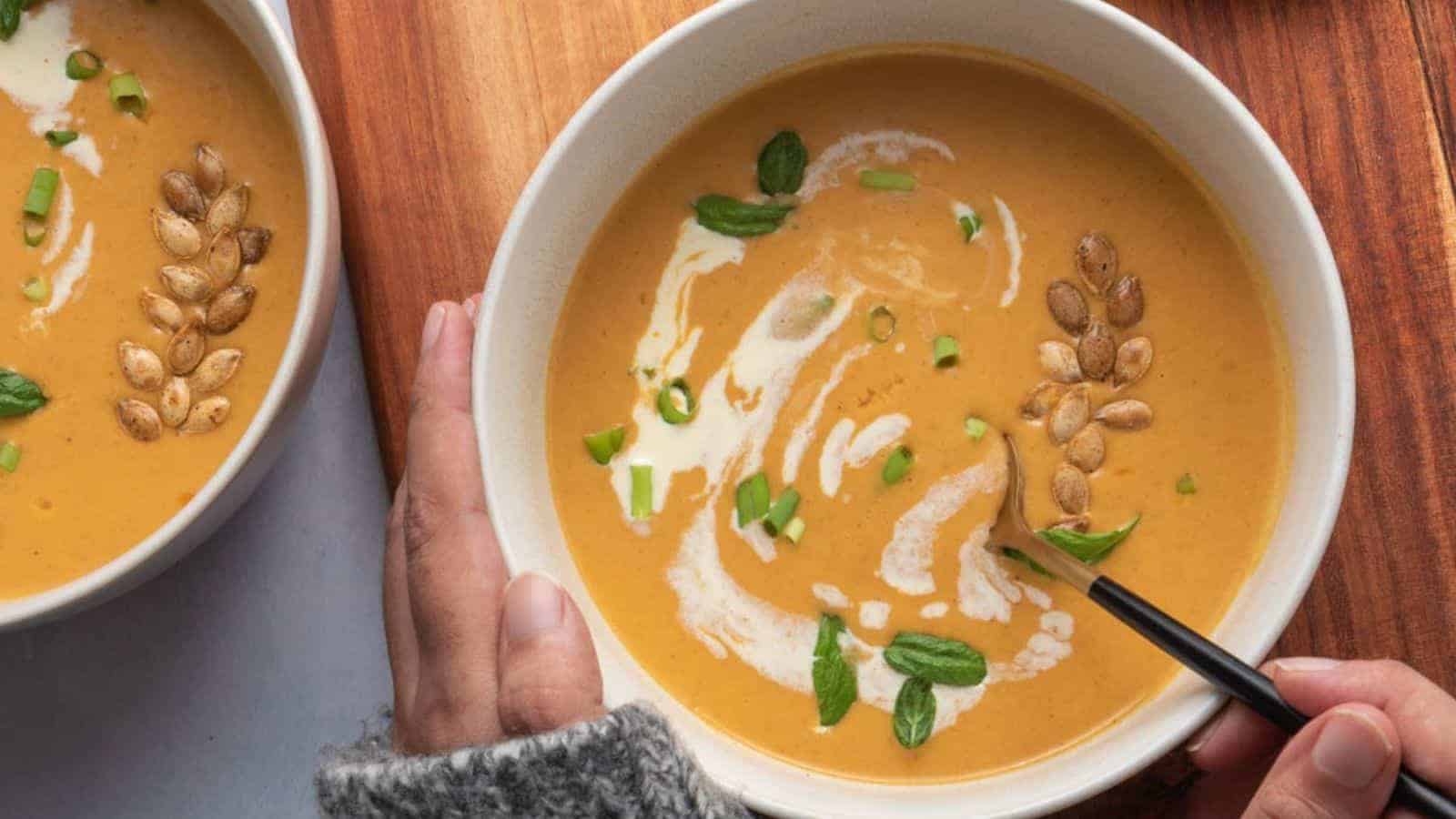
Its sweet, nutty flavor makes butternut squash a popular choice in cooking. The exterior is tan, while the inside is bright orange. You can bake, roast or turn butternut squash into a soup (like this Thai curried butternut squash soup).
Acorn squash
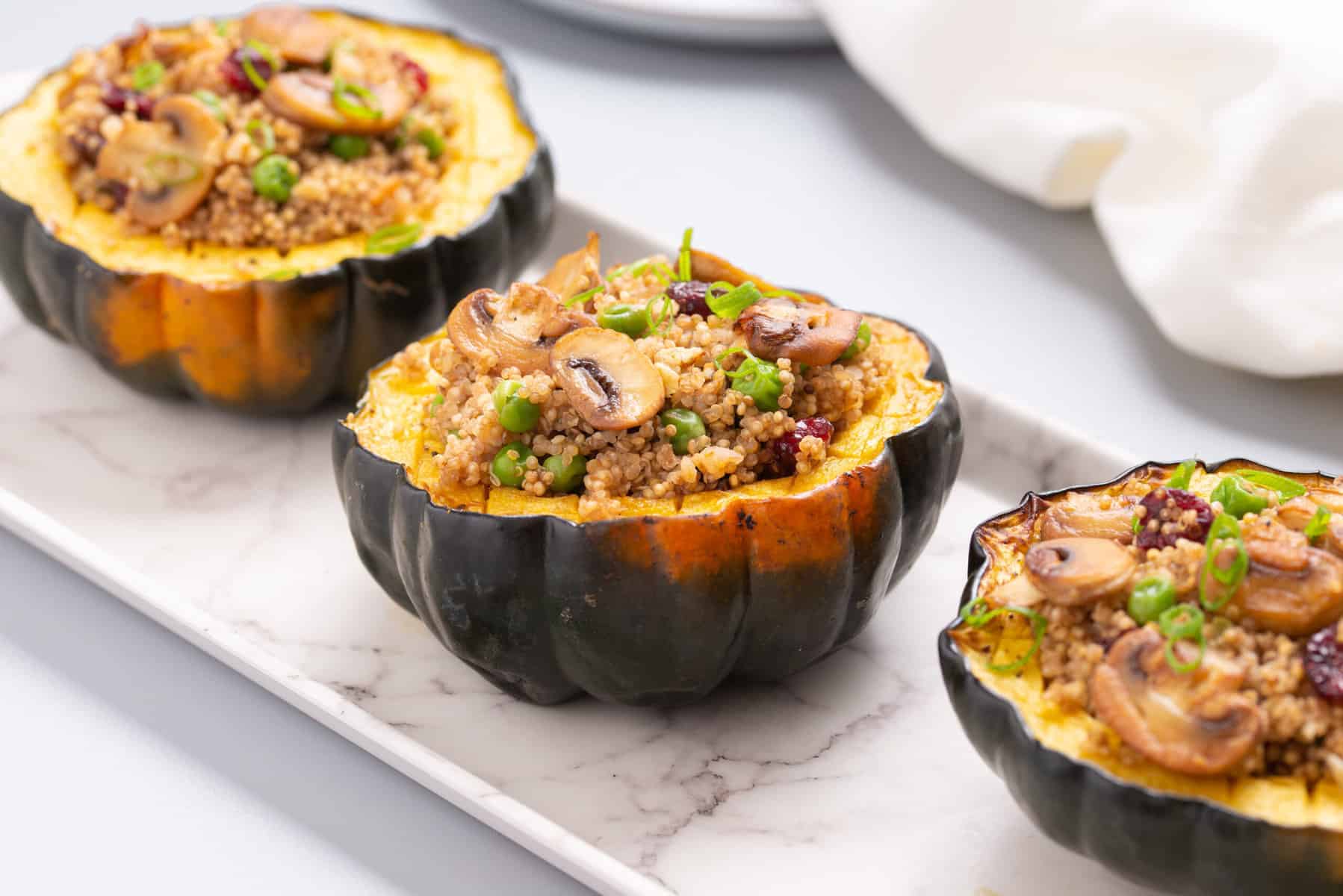
Acorn squash is another well-known winter squash variety with a unique acorn-like shape. This dark green squash has a tender, mild flavor, perfect for stuffing or baking. It has an edible skin, which also peels off easily when cooked. Enjoy this delicious stuffed acorn squash, a hearty and wholesome treat!
Kabocha squash
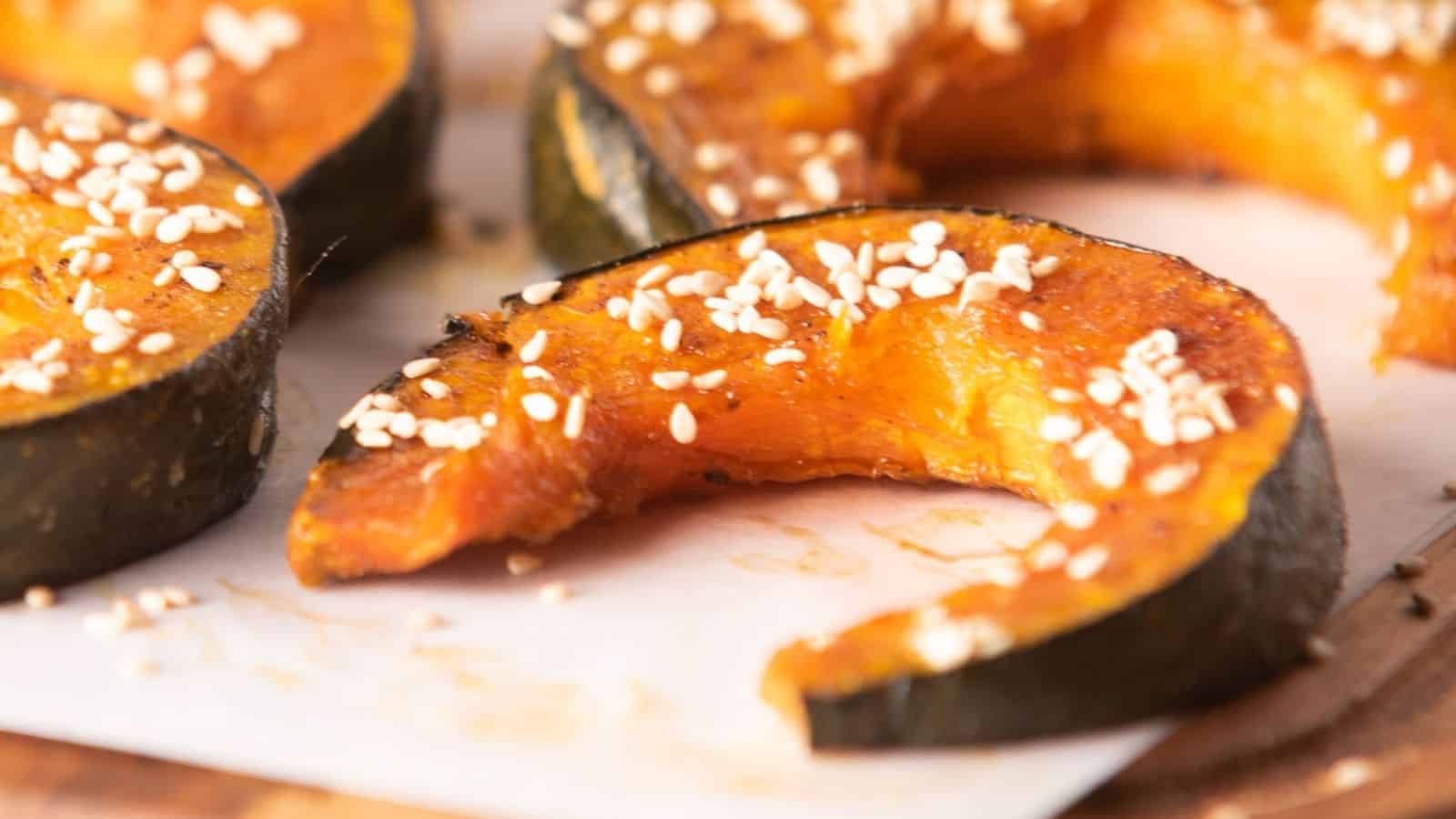
Kabocha squash, or Japanese pumpkin, features a dark green exterior with bumpy skin. Its flesh is a bright, sweet orange with a rich, buttery texture. Kabocha squash can be roasted or used in soups and stews. Discover the simple steps to roast this kabocha squash for a sweet, nutty flavor!
“I’m obsessed with kabocha squash. It’s fantastic roasted with butter and smoky spices like ground chipotle or smoked paprika or pureed into a soup or mash. It’s a bit starchier than the traditional pumpkins we’re used to in the west, almost like a cross between winter squash and sweet potato.”
— Robin Donovan, All Ways Delicious
Spaghetti squash
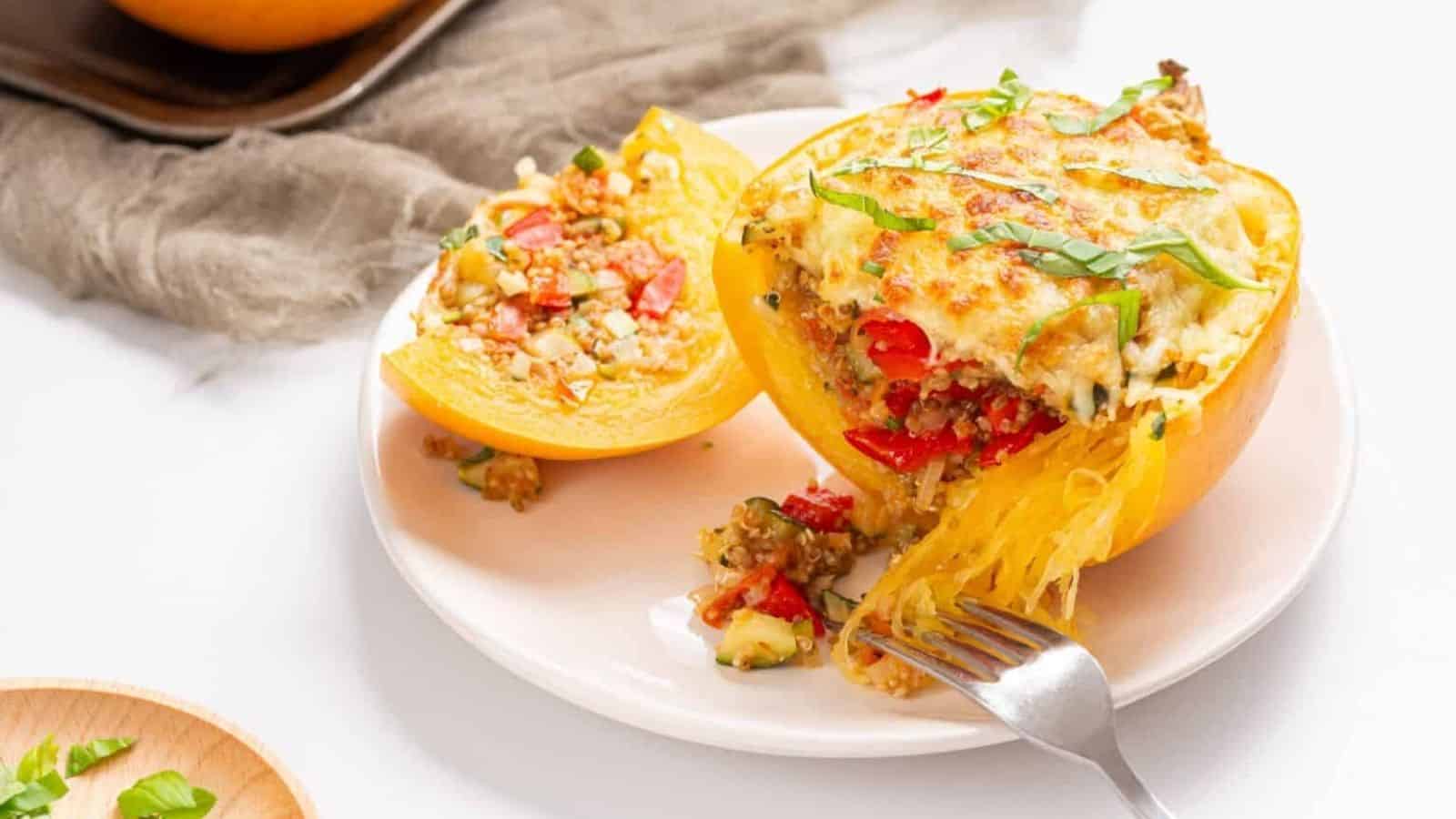
As the name suggests, spaghetti squash has spaghetti-like strands that form after cooking. Its mild taste makes it an excellent low-carb, gluten-free alternative to traditional pasta. You can enjoy it with marinara sauce, mixed with veggies or stuffed. Try this stuffed spaghetti squash for a a delicious and nutritious twist! You can also try these other spaghetti squash recipes (including all the ways to cook it!)
Sugar pumpkins
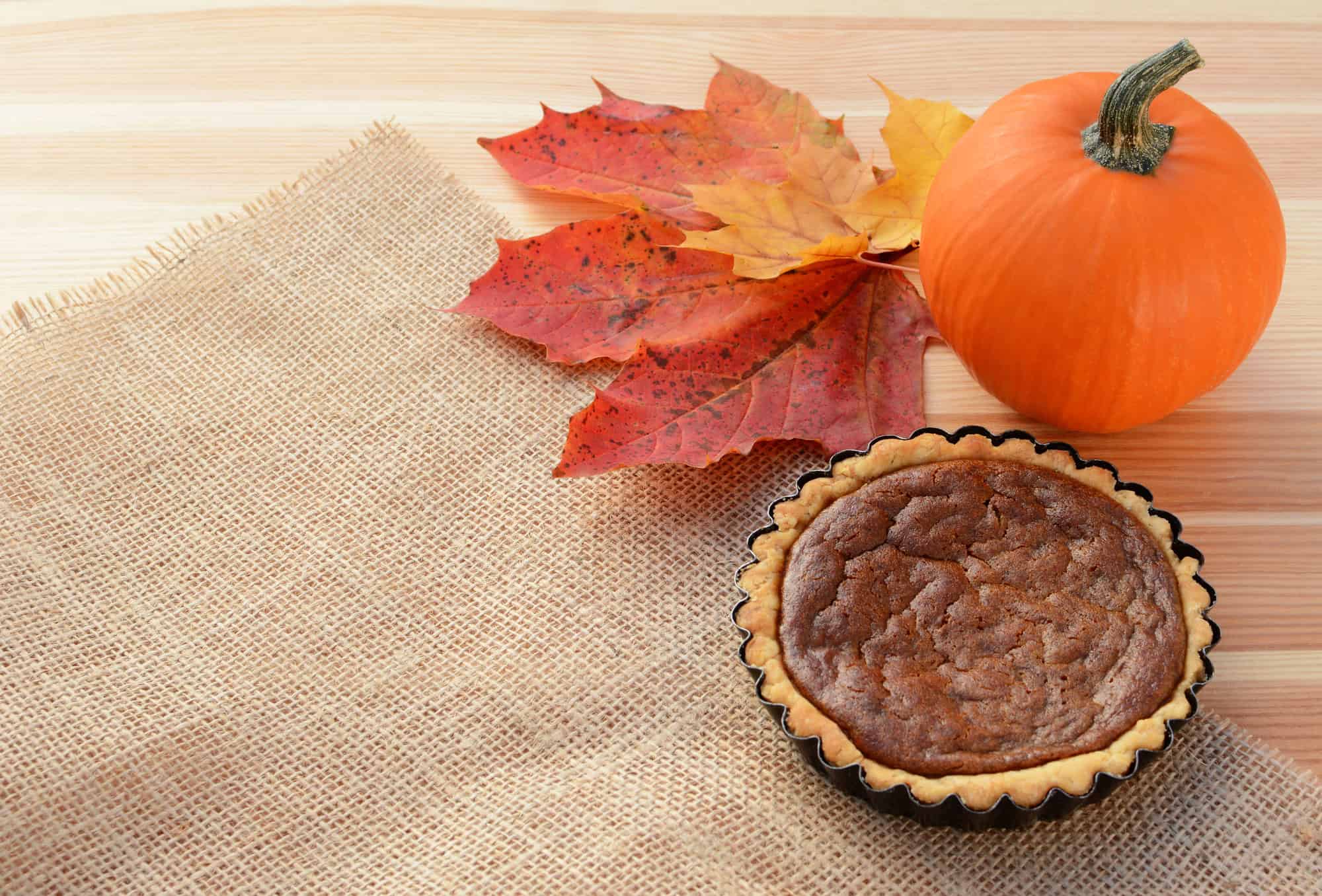
Often referred to as pie pumpkins, sugar pumpkins are the go-to choice for traditional pumpkin pies. Smaller and more compact than the large pumpkins you'd find at a pumpkin patch for carving, sugar pumpkins have a sweet, dense, smooth flesh perfect for cooking and baking. When roasted, their orange flesh becomes even more aromatic.
Hubbard squash
Hubbard squash comes in various colors, including blue, gray and orange. One of the largest winter squash varieties can weigh between 10- to 20 pounds. The dense, dry flesh has a rich flavor similar to sweet potato, making it perfect for pies, soups and purees.
Delicata squash
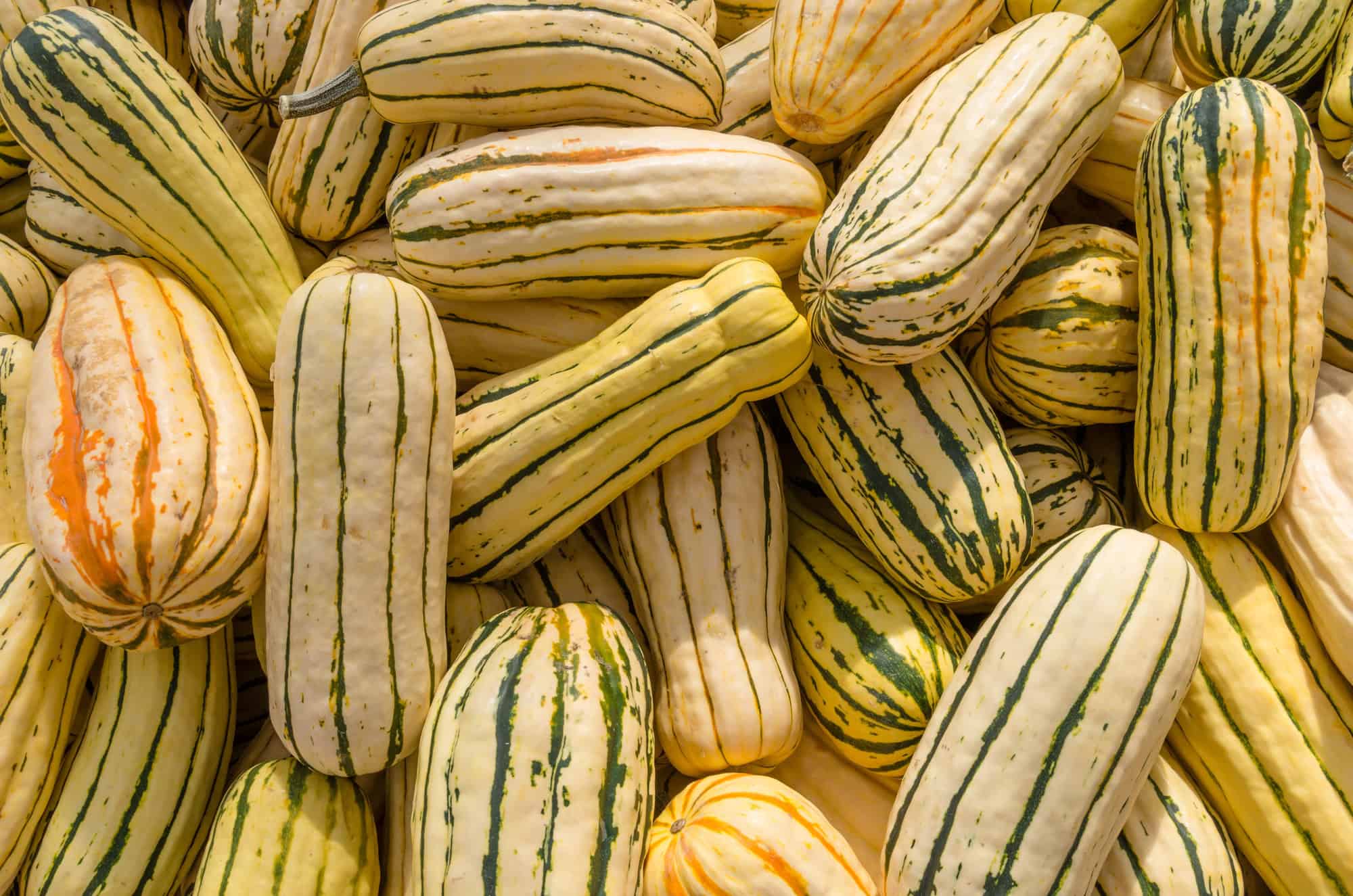
Delicata squash has a unique elongated shape with green and yellow striped skin. Its thin skin is edible, making it incredibly low-maintenance. The squash has sweet yellow flesh that tastes like a mix of corn and pumpkin. You can roast, steam, sauté or air fry delicata squash.
“My favorite winter squash is delicata squash. It's delicious when simply roasted with just some salt, pepper and olive oil, but it can also be added to sheet pan meals, stuffed or added to a hash.”
— Gen La Rocca, Two Cloves Kitchen
Carnival squash
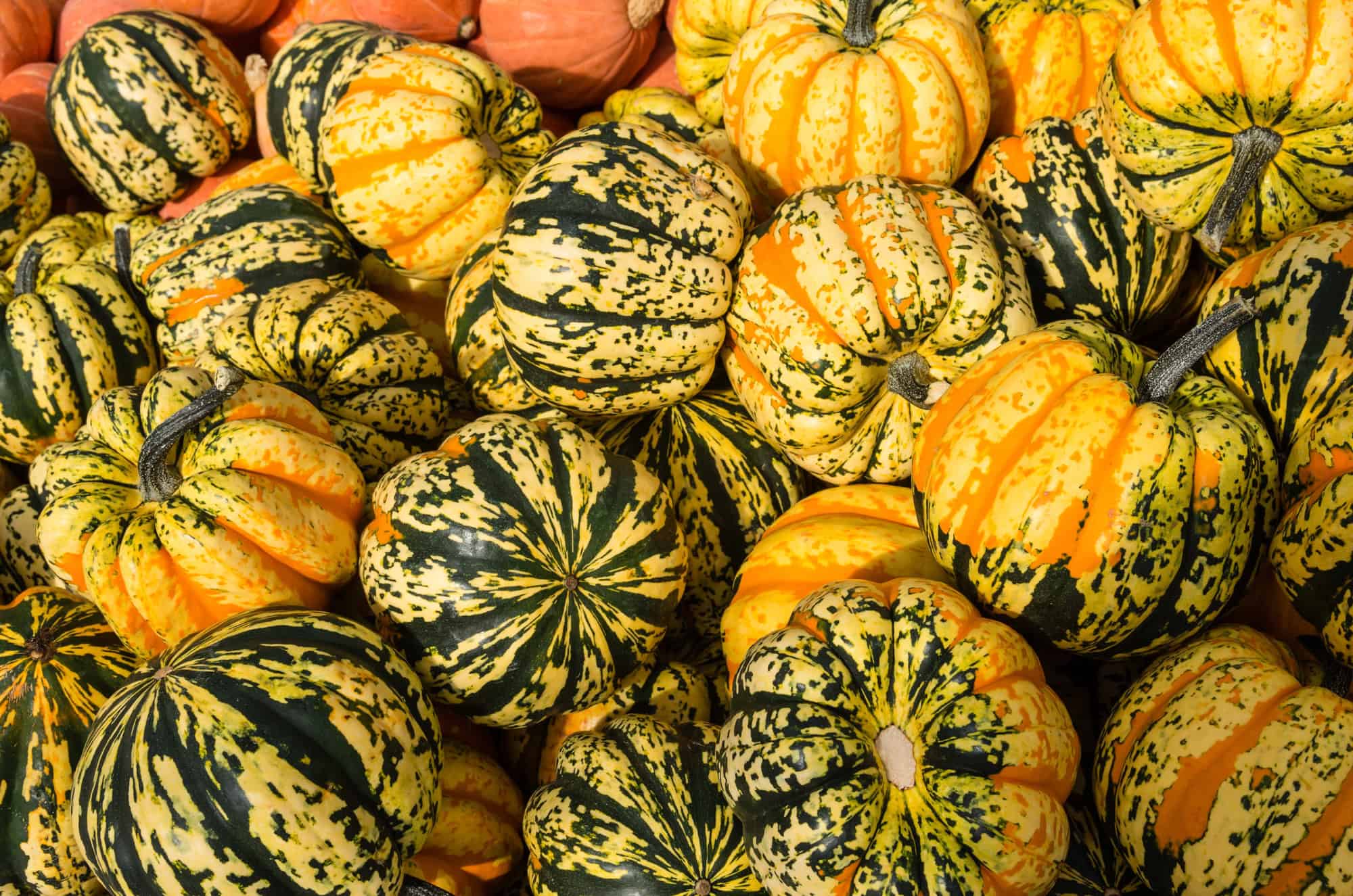
Carnival squash features a multi-colored exterior. With a combination of white and dark green stripes on top of its orange skin, it adds a pop of color to your winter meals. It has a sweet and mildly nutty flavor.
Honeynut squash
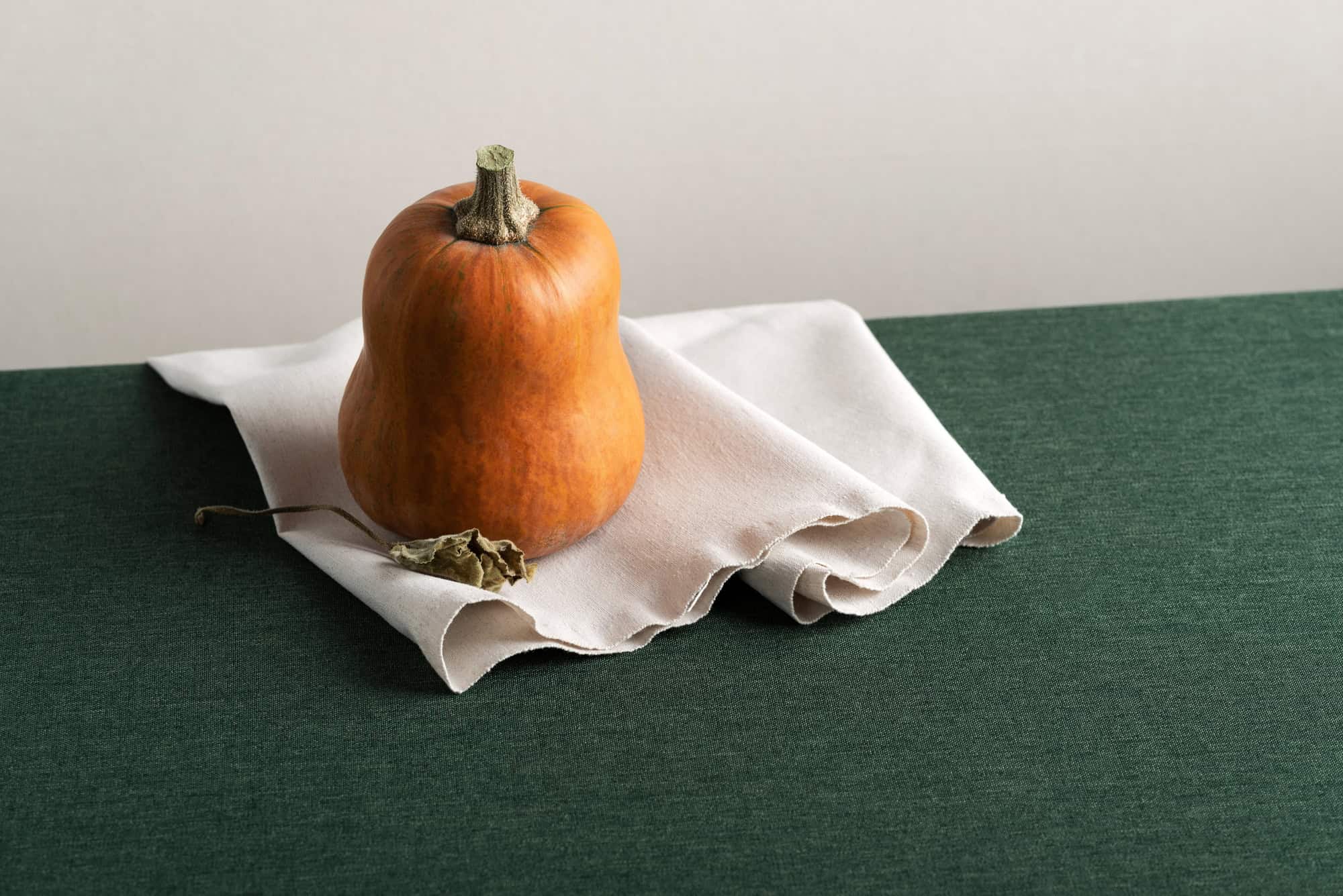
Honeynut squash looks like a mini version of butternut squash, with a darker exterior and sweeter flavor. It's an excellent option for single servings or small households. Like its larger counterpart, you can roast, puree or stuff honeynut squash.
Buttercup squash
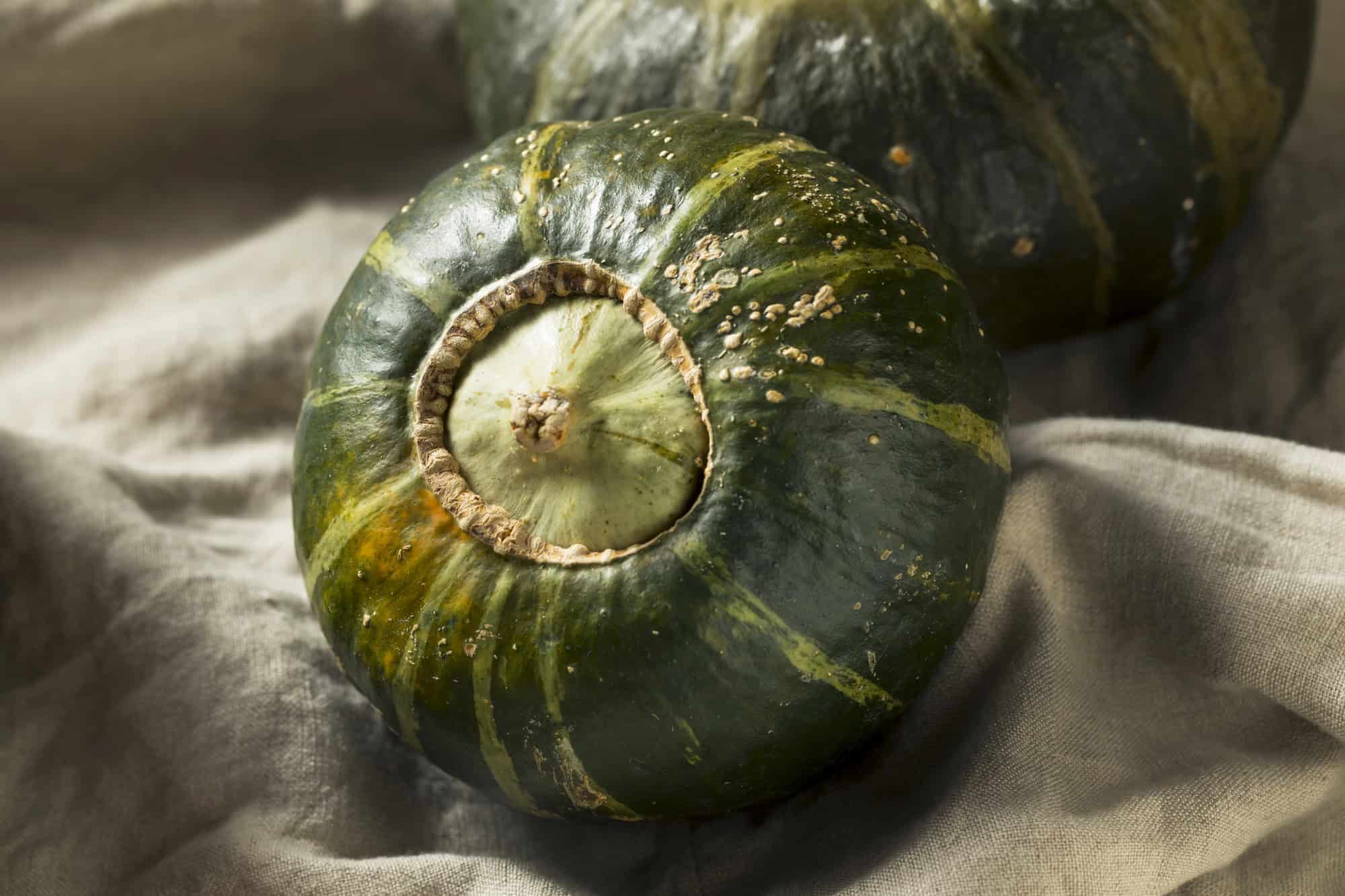
The buttercup squash is easily recognizable by its dark green skin and unique gray button on its bottom. Inside, the flesh is deep orange, with a rich, sweet and creamy flavor, often compared to a baked sweet potato. Its dense texture makes it suitable for soups, purees and baking.
Turban squash
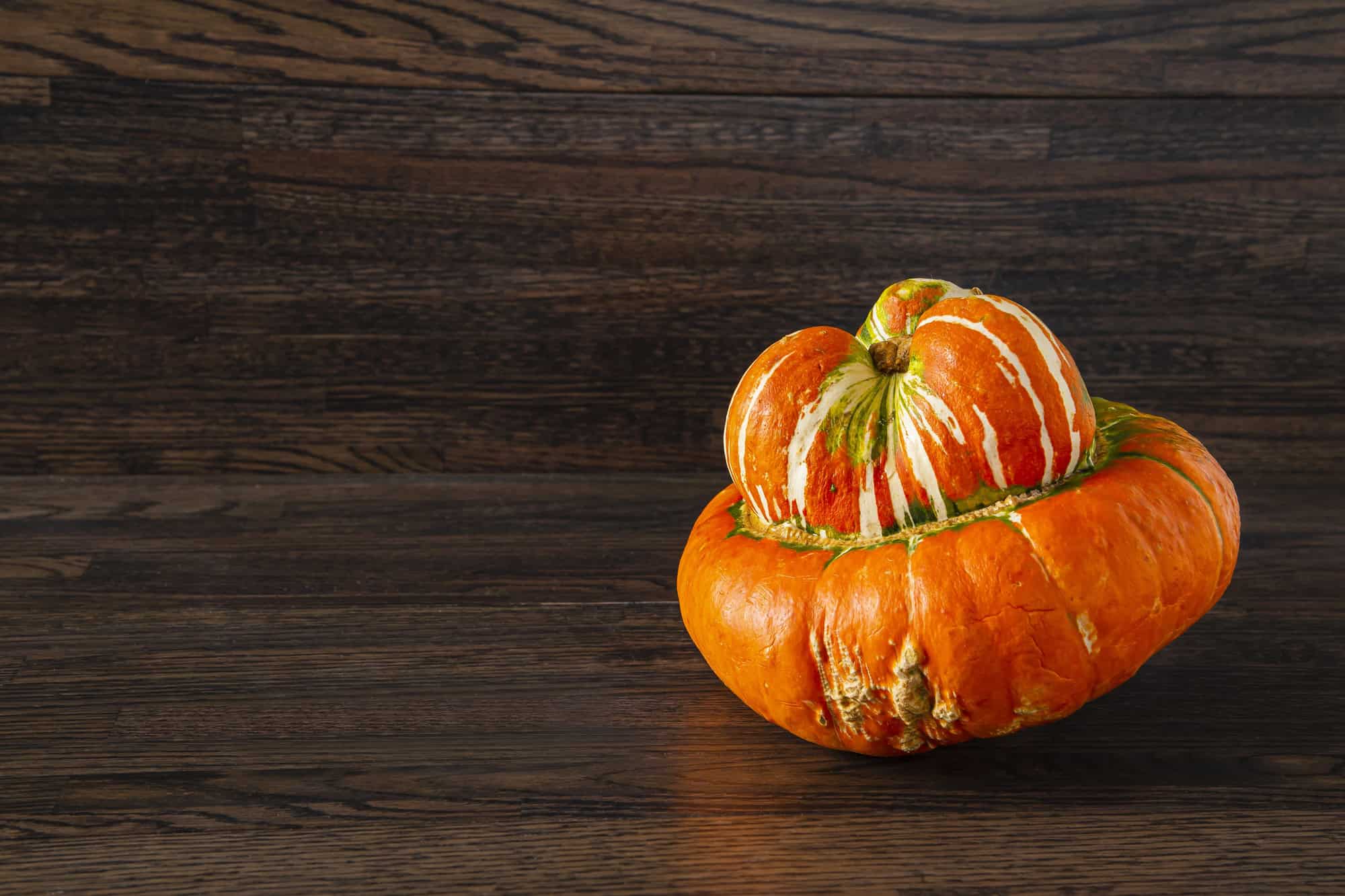
The turban squash stands out with its top-heavy, turban-like shape. Its colorful and decorative appearance, with patches of green, orange and even white means it is often used as an ornamental centerpiece. But beyond its looks, the Turban squash offers a mild, nutty flavor, somewhat reminiscent of hazelnut.
Red kuri squash
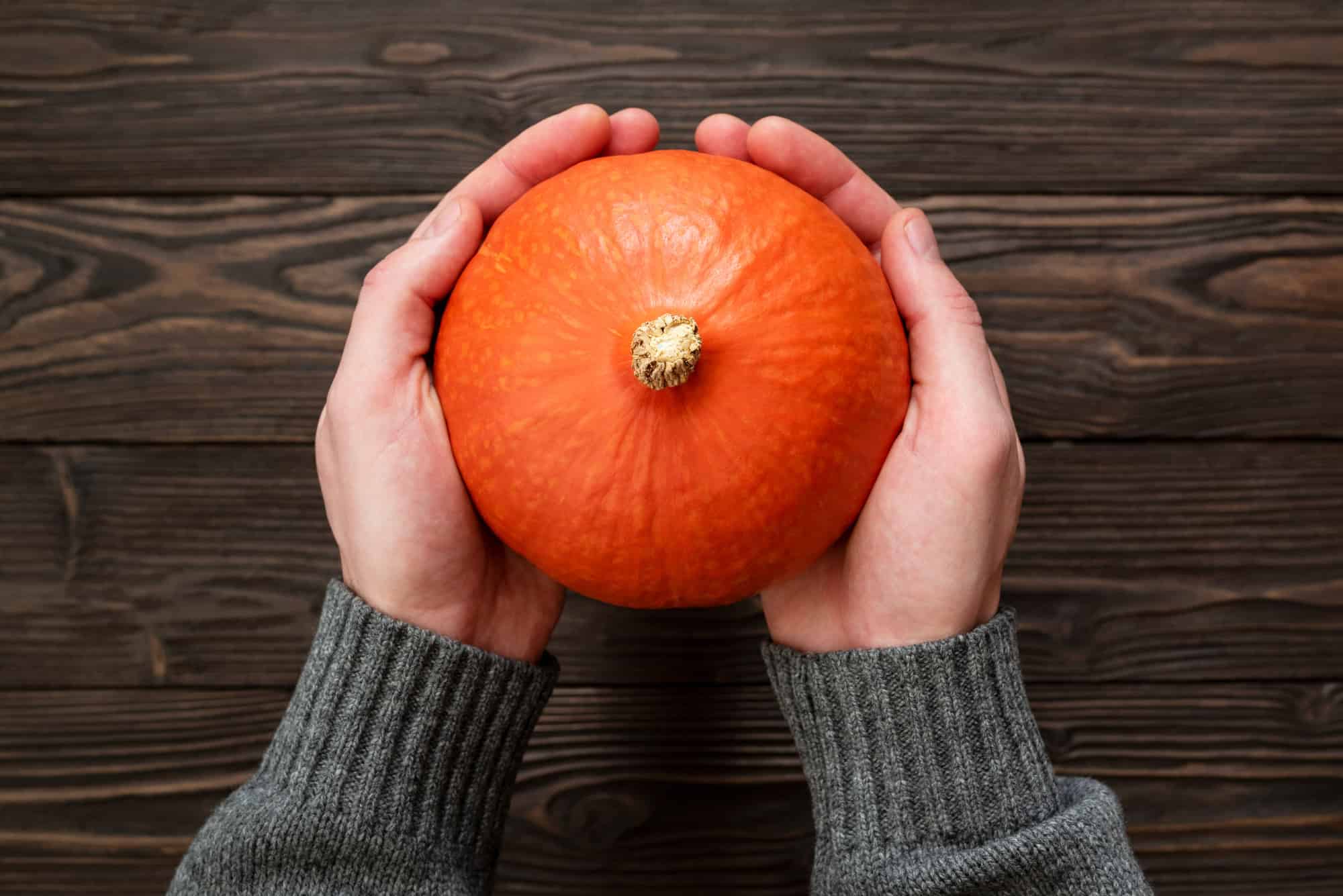
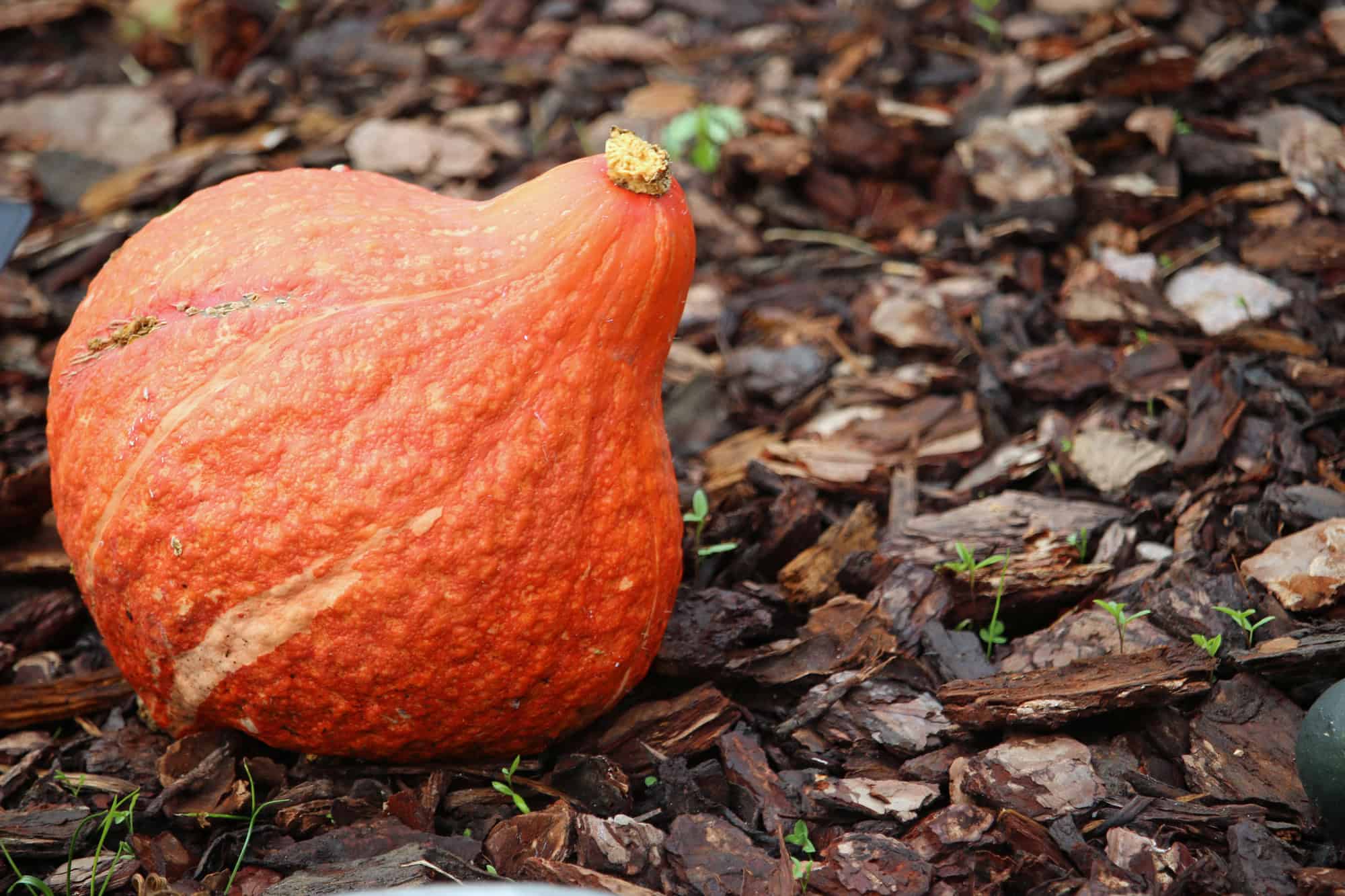
The red kuri squash, also known as the Hokkaido pumpkin, has a teardrop shape, with a vibrant orange and red rind. This winter squash lacks the stringiness that some other squashes have, and its chestnut-like flavor is sweet and nutty. Red kuri squash shines in various dishes, from soups to salads.
Banana squash
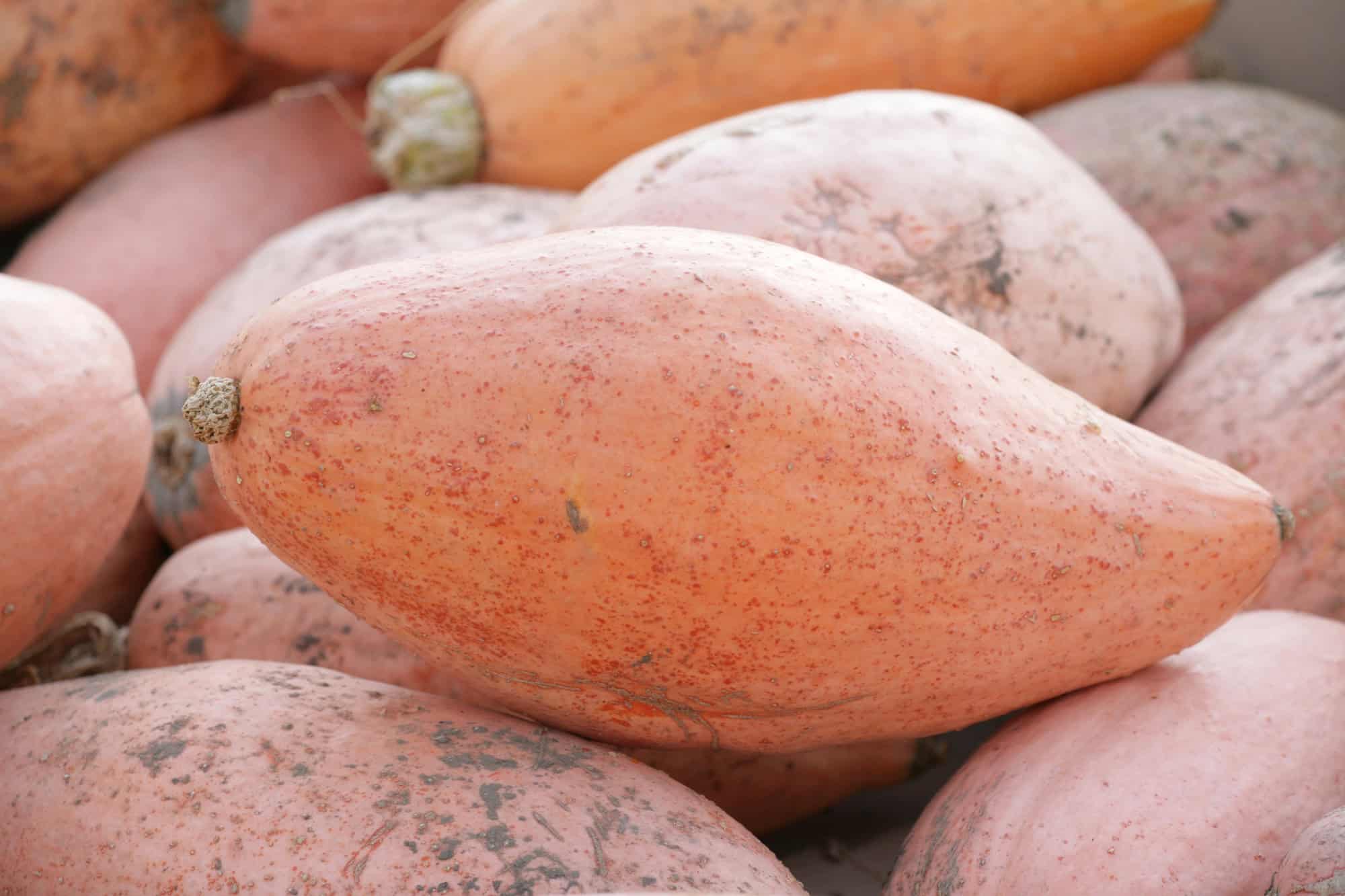
Elongated and sizable, the banana squash lives up to its name in terms of shape, although not in color or flavor. Its skin can range from pale yellow to a deep, rich pink or light blue. The interior is a bright orange, fine-textured flesh with a mild and sweet flavor.
Cooking with winter squash
From soups and stews to pies and roasted dishes, here are some popular methods for cooking with these tasty gourds.
- Soups and stews: These dishes are a staple for chilly weather, and using winter squash adds depth and a rich texture. Kabocha squash, for example, makes an excellent base for a creamy, warm soup. Roast the squash first, then blend it with vegetable broth and your favorite spices.
- Roasting winter squash: This is both a simple and popular method. Cut the squash, remove the seeds, and brush with olive oil. Season it with your chosen spices and place it in the oven.
- Stuffing winter squash: One of the best ways to enjoy these types of squash is to use them as edible bowls filled with tasty stuffing. After roasting the halved and seeded squash, fill it with grains, vegetables, cheeses or meats. Whether it's a spicy rice pilaf, a mixture of sautéed veggies and feta or a hearty sausage and breadcrumb stuffing, the tender squash flesh combined with the savory filling makes for a delicious meal.
- Baking pies: Pie-making isn't just for pumpkins. You can prepare delicious pies with other varieties like acorn or butternut squash. Puree the cooked flesh and combine it with sugar, spices and a thickener like cornstarch or tapioca flour. Pour the mixture into your favorite pie crust, then bake until set.
Take advantage of the wide variety of winter squash available and try something new and different this year. Each brings unique flavors and attributes to the table, making them excellent additions to your winter menu. Have fun exploring and experimenting in the kitchen with these winter squash varieties.
This article originally appeared on Food Drink Life.


Leave a Reply