
Gochujang has seriously changed the way I cook. I still remember the first time I threw a spoonful into a stir-fry—it went from good to crazy delicious with this perfect combo of sweet, spicy, and deep, rich flavor. It’s one of those secret weapons that makes everything taste like you put in way more effort than you did. Whether you’re totally new to it or already a fan, this recipe is a no-brainer. It brings the heat, but not too much, and the flavor is so addictive that you’ll be reaching for the jar again and again.

What is Gochujang?
Gochujang is an essential condiment in Korean cuisine, used for everything from sauce for “bibimbap,” Korean rice bowls, or “tteokbokki,” spicy stir-fried rice cakes. It’s a deep red, super thick, spicy, salty paste that’s jam-packed with umami.
The basic ingredients are chili peppers, glutinous rice, fermented soybeans, and salt. This mixture ferments over many months or even years until it develops a rich and nuanced flavor. It is savory, sweet, and spicy, with an undercurrent of umami that pulls all the elements together. The resulting flavor is the backbone of many traditional Korean recipes.
“A little goes a long way with umami-rich gochujang. You only need a few tablespoons to make a wonderful sweet and spicy marinade.”
— Keri Bevan, Daily Dish
Think of gochujang as a cross between chili paste and miso paste, with a thick consistency that is perfect for marinating meats or mixing into sauces and dips.
One taste, and you’ll know why it’s so prevalent in Korean cooking; the flavor is truly one of a kind, combining the salty, funky umami of fermented soybeans with the heat of chile peppers.
How To Use Gochujang
You can use Gochujang’s depth and heat in many ways to enhance your favorite foods. Once you start using it in your cooking, you’ll find yourself inventing new ways to sneak it into dishes.
“Using gochujang straight can be a challenge because of its thick texture. Instead, try mixing it with a liquid. My favorite way to use it is in a soup or a stew, but you can also try it in a dipping sauce or in a marinade.”
— Gen La Rocca, Two Cloves Kitchen
Here are some favorite ways to use it:
- Use gochujang as part of a basic marinade by combining it with soy sauce, rice vinegar, and sesame oil. This will impart a robust taste to meats like steak (like an air fryer rib eye steak), ribs, or lamb. It adds depth to Beef Bulgogi.
- Use it in a marinade for chicken.
- Combine it with honey, soy sauce, and other ingredients to make a sticky, sweet, spicy sauce for Korean Fried Chicken.
- Stir some sesame oil into it and drizzle it over bibimbap.
- Mix it with mayonnaise or sour cream for a spicy dipping sauce.
- Add it to your favorite barbecue sauce recipe for a Korean spin.
- Put a dollop into your next soup or stew for added spice and delicious depth.
- Spoon it into stir-fried noodles, veggies, or rice.
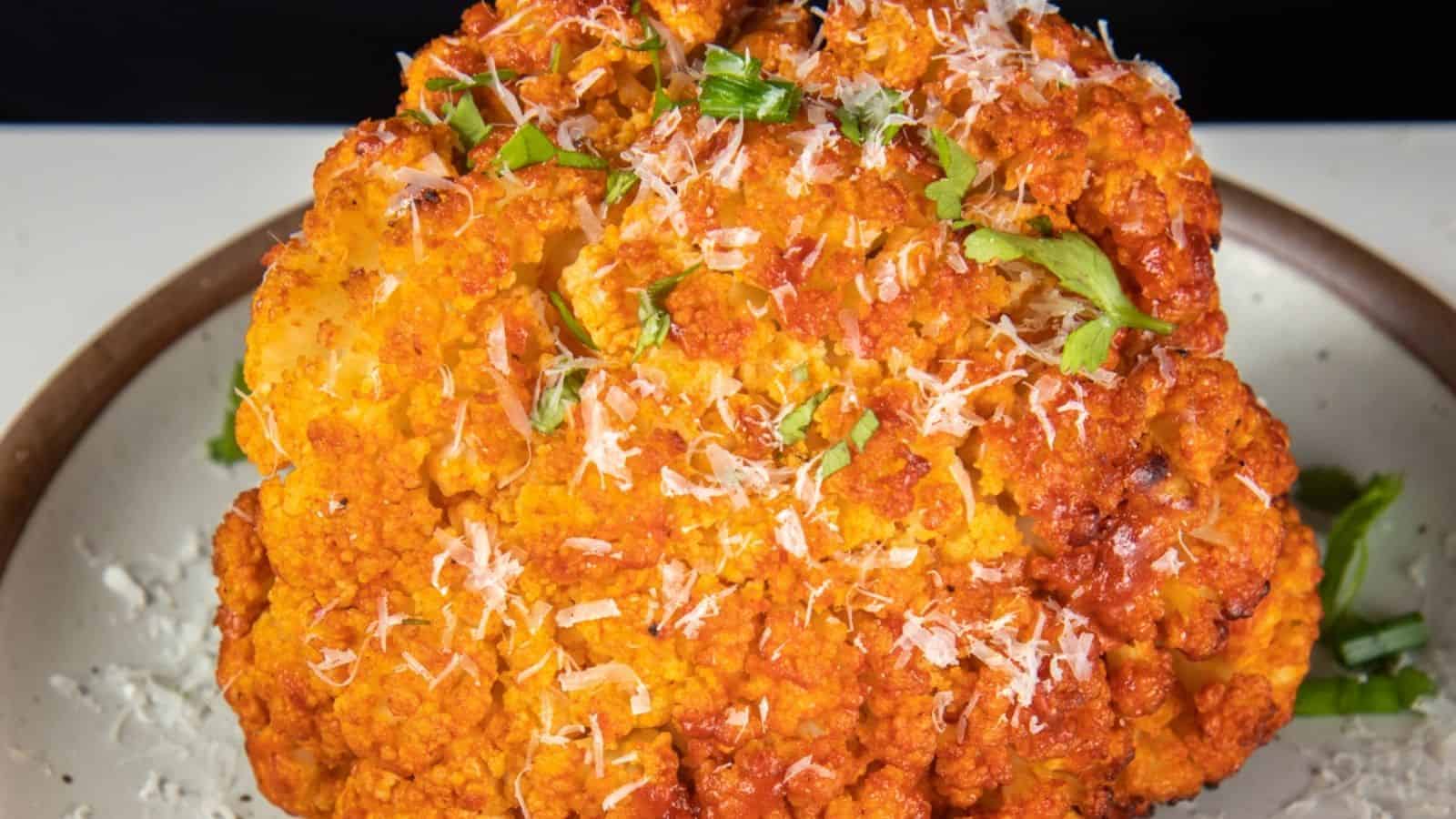
- Stir a little into mashed potatoes or cauliflower for an added kick. Or better yet, try this gochujang whole cauliflower or these roasted cauliflower tacos.
Where To Buy It
Any Korean market or Asian grocery store will have tubs of gochujang in the condiment aisle. And, of course, you can buy it online. But these days, more and more mainstream supermarkets are carrying it. Look for it in plastic tubs in the Asian foods aisle in your supermarket; you may be surprised to find a few options. Even Trader Joe’s now sells a version of gochujang.
Be aware that the heat level will vary from brand to brand, and some brands make mild, medium, and hot versions. Try a few and see which you like best. And, as always with spicy condiments, start with a small amount. You can always add more, but you can’t take it away if your dish is too spicy.
Gochujang vs. Sriracha
There are many parallels between gochujang and sriracha, another well-known spicy sauce. They share the use of chili peppers and a fiery taste, but there are important distinctions between them.
Sriracha is common as a condiment added at the table. But gochujang is too thick and intensely flavored to be used that way. Use gochujang as an ingredient in your cooking or mix it with other ingredients to make a tableside condiment.
Taste-wise, gochujang is more flavorful than sriracha. Sriracha is mostly chile peppers with a touch of sugar and vinegar, so it’s spicy and a little sweet and tart. Gochujang has more depth and nuance along with its spicy kick thanks to the fermentation process.
Gochujang’s consistency makes it ideal for adding to meat marinades or adding to sauces, as it is thicker than sriracha.
Gochujang is often hotter than sriracha; however, the spiciness of different brands varies widely.
Both gochujang and sriracha are fiery, chile-based sauces, but thanks to fermentation, gochujang has a deeper flavor that is more loaded with umami.
Gochujang vs. Gochugaru
Gochujang and gochugaru are both essential Korean ingredients for adding flavor and heat, but they’re actually quite different.
Gochugaru is more akin to chili powder, ground cayenne pepper, or crushed red pepper flakes. It is ground or crushed dried hot red pepper, rather than being a fermented paste like gochujang. Gochugaru is used as a spice to season dishes like Cucumber Kimchi or sprinkled over dishes for added heat.
How to Store It
Store gochujang in the refrigerator for up to a year. To get the most out of the flavor, you should consume the contents of the tub within six months of opening it. Keep the container in the fridge and use a clean spoon to avoid contaminating the gochujang.
This article first appeared on Food Drink Life.

Leave a Reply